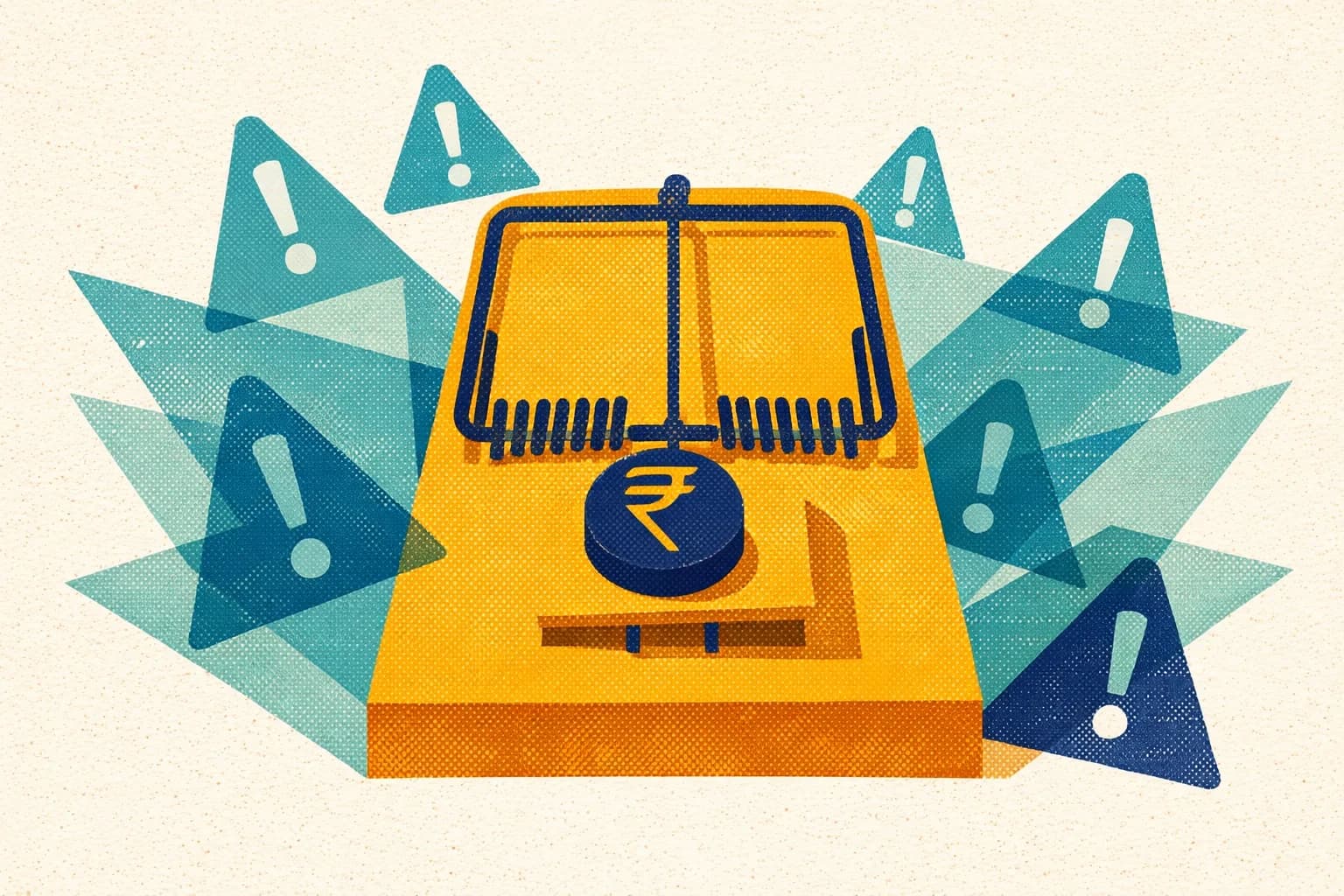

We’ve all seen those glossy ads: “Save + Protect In One”. Sounds tempting, right? But here’s the truth: term and endowment plans are built for very different journeys. And choosing the wrong one can mean either being underinsured or locking money in low returns. This guide compares both side by side, with real cost numbers, IRDAI data, and adds expert advice so you can decide what’s right for you.
Cheat Sheet
•
Term = Pure Protection: high cover at low premium, no returns if you survive.
•
Endowment = Insurance + Savings: higher premiums, small guaranteed maturity value, low returns.
•
Term is better for financial protection; pair it with investments (like SIPs, PPF, NPS) for growth.
•
Endowment suits only the very risk-averse who value forced savings more than high cover or inflation-beating returns.
•
IRDAI data shows over 70% of policies sold are still endowment, but online-savvy millennials increasingly choose term for affordability and adequacy.

What Is a Term Plan?
A term plan is pure protection. No frills. If you pass away during the policy term, your family gets the sum assured. If you survive, you get nothing back.
Did You Know
A ₹1 crore term cover costs roughly ₹12,000–₹25,000 a year for a healthy buyer in their 20s. Most people assume it costs far more.
Think of it as a fire extinguisher – you don’t want to use it, but it’s priceless when needed.
- High cover, low cost – Term insurance gives you massive protection at a fraction of the cost of other plans. For example, ₹1 crore cover might cost just ₹12K–₹25K a year, making it accessible even for young earners. That’s why it’s called the most bang-for-your-buck insurance.
- No maturity benefit – Unlike endowment, term plans don’t return anything if you survive the policy period. And that’s okay. It’s not designed for returns – it’s designed to protect your family when they need it most.
- Flexible with riders – riders are like extra toppings on your pizza. You can add critical illness cover, accidental death benefit, or premium waiver riders. If budget allows, they strengthen your policy without needing a separate plan.

What Is an Endowment Plan?
This is insurance plus savings. You pay higher premiums, part of which goes into life cover, part into a safe investment pool.
- Dual benefit: Endowment offers both: insurance protection and savings that grow over time. If you survive the policy, you get a maturity payout. If not, your family gets the sum assured. It’s a “something for everyone” structure.
- Low-risk, low-return: Your money is invested conservatively (mostly in bonds). That means returns are steady, but modest, usually in the 4–6% range. The catch: inflation often eats away at that growth, leaving you with less purchasing power.
- Bonuses possible: Some endowment plans are “participating,” which means insurers may declare annual or final bonuses. These add to your maturity value, but they’re not guaranteed: so don’t count on them as assured income.
- Liquidity: Unlike term, you can sometimes withdraw or surrender after a lock-in period. This feature can be helpful in emergencies, but remember: surrender values in the first 5–7 years are usually very poor.
Think of it as a piggy bank with a lock. You’ll get something at the end, but it’s costlier and inflexible compared to investing separately.
Side-by-Side Comparison: Term vs Endowment
| Feature | Term Plan | Endowment Plan |
|---|---|---|
| Primary Purpose | Pure protection | Protection + savings |
| Premium Cost | Very low | Much higher |
| Maturity Benefit | None | Yes: sum assured + bonuses (if any) |
| Liquidity | Nil | Limited, after lock-in |
| Returns | Zero (unless RoP) | 4–6% (low-risk, may not beat inflation) |
| Flexibility | High (riders, term length) | Lower: fixed structure |
| Best For | Maximum cover at minimal cost | Conservative savers who dislike market risk |
What the Market Shows
- Endowment still dominates: IRDAI data shows endowment accounts for over 70% of individual life insurance sales in India. This is agent-driven: families feel comfort in “getting something back.”
- Term is growing fast online: Millennials and Gen Z buyers are driving online term plan sales, thanks to easy comparison and lower premiums.
- But the danger: People choosing endowment often stay underinsured (₹10–15 lakh cover when their family actually needs ₹1 crore+).
Why Many Financial Planners Lean Toward Term
Insurance expert Rahul Ramchandani explains:
“Term insurance is not about today’s affordability, it’s about future security. Waiting can turn out to be costlier.”
And on Return of Premium variants:
“Don’t opt for Return of Premium: you’re paying for it indirectly with poor time-value. Insurance is an expense. Treat it like that.”
That’s why the better approach: Buy a pure term plan for protection. Invest separately in mutual funds, PPF, NPS, or equities for growth.
Quick Tip
Lock in a term plan while you’re young and healthy — premiums are lowest in your 20s and 30s. The money you save versus an endowment can go straight into a SIP or PPF.
Who Should Choose What?
- Singles, no dependents: You can delay term insurance. But if marriage or a home loan is in sight, lock in premiums early.
- Young couples / new parents: Term is non-negotiable. You need big protection for small premiums.
- Mid-career with loans & kids: Term + aggressive investing works best. Endowment here risks leaving you underinsured.
- Risk-averse seniors or late starters: An endowment may fit if you want discipline and guaranteed returns, but it shouldn’t replace proper cover.
FAQ: Quick Answers to Common Doubts
Why do so many Indians still buy endowment over term?
Because agents push it: commissions are higher. And families feel “at least I’ll get something back.” But that “something” often doesn’t beat inflation.
Key Fact
Over 70% of individual life insurance policies sold in India are endowment plans, per IRDAI data — driven largely by agent sales rather than informed buyer choice.
Is endowment ever a good idea?
Yes, if you’re very risk-averse and want forced savings. But keep expectations modest.
Can I switch from endowment to term later?
You can surrender an endowment and reinvest, but surrender values are poor in the first 5–7 years. Better to decide right at the start.
What if I already have an endowment plan?
Don’t panic. Continue if surrendering causes big losses, but ensure you add a separate term plan to cover your family adequately.
Is a Return of Premium term plan worth it?
No. You’re paying extra for your own money back after 20–30 years: which loses value to inflation. Buy pure term + invest the difference.
Final Word: Smart, Simple, Secure
A term plan is a lifeline: high cover, tiny cost. Endowment is a piggy bank: safer, but expensive and underwhelming.
The smart path? Protect with term. Grow with investments. Don’t mix the two.

Related Reading
Try our free tools
Disclaimer: This article is for informational purposes only and does not constitute insurance advice. Consult an IRDAI-registered insurance advisor for recommendations tailored to your specific financial situation and needs.
Was this article helpful?
Your feedback helps us improve our guides

Reviewed and Edited by
Girish KumarGirish Kumar is a YouTube Manager at Quantent, focused on building digital growth through thoughtful strategy, strong client collaboration, and content that performs. He works across marketing, design, and digital systems to turn complex business needs into clear, actionable solutions. At Quantent, Girish partners closely with brands to streamline service delivery, improve conversions, and create long term value balancing creativity with structure, and always prioritizing quality over quantity.