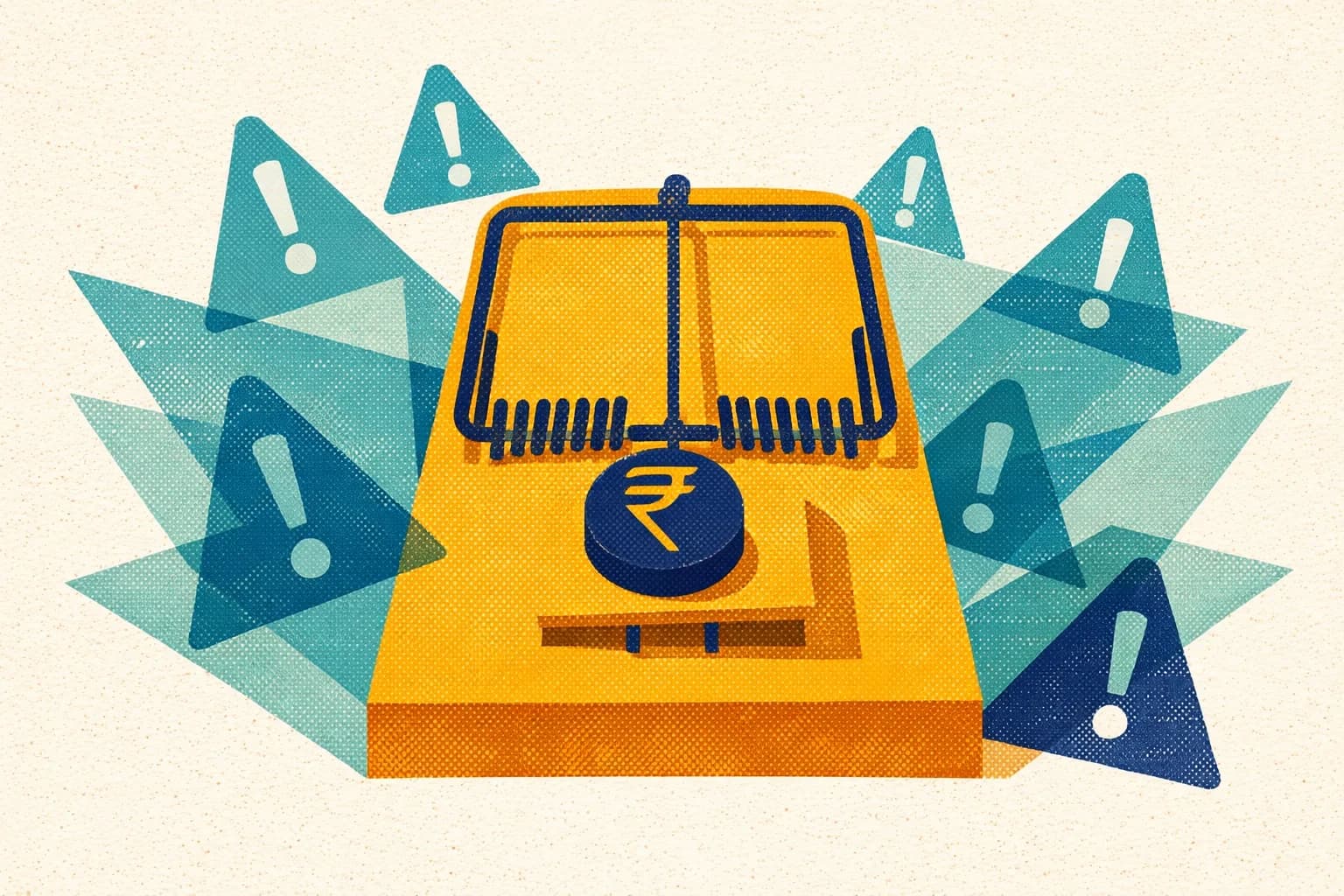

Life insurance is meant to protect, not profit. Yet in India, many hesitate to buy a product where “nothing comes back.” That’s why term insurance with return of premium (ROP) plans remain popular. They promise full premium refund if you survive, unlike pure term insurance which only pays on death. But does that make them smarter? Or is pure term insurance still the better choice? Let’s explore through numbers, comparisons, and real-world examples.
TL;DR
- Pure Term Insurance: Affordable, high cover, no maturity payout.
- ROP Term Insurance: Higher premiums, refund of premiums at maturity.
- Cost gap: ROP plans cost 2.5x–3x more than pure term for the same cover.
- Better choice: Pure term + disciplined investing usually creates more wealth.
- Exception: ROP may suit risk-averse buyers who dislike the idea of “losing” money.
Understanding the Two Products
Pure Term Insurance: Protection, Nothing Else
A pure term insurance plan is the simplest form of life cover. You pay a small premium and your family gets a large lump sum (the sum assured) if you pass away during the policy term. If you survive, nothing is paid back.
Premiums are very low: often just ₹500–₹600 per month for ₹1 crore cover if bought young. The product is designed only for income replacement, not for savings or investment. It is insurance in its purest form.
ROP Insurance: Refund, But at a Price
ROP plans add a twist:
- If you die during the policy term, your family receives the full sum assured.
- If you survive, you get back all the base premiums paid (without interest).
At first glance, it feels like a win-win. But the trade-offs matter:
- Premiums are 2.5x–3x higher than pure term.
- The refund is simply your own money returned: with no growth.
- Inflation erodes the real value of that refund, making it worth far less after 20–30 years.
Example: Ravi vs Meera
Consider two 30-year-olds buying ₹1 crore cover for 30 years.
- Ravi (Pure Term Buyer)
- Premium: ₹12,000/year
- Total paid in 30 years: ₹3.6 lakh
- No maturity payout. But Ravi invests the saved ₹18,000/year (difference vs ROP) into mutual funds at 10% returns.
- At 60, Ravi’s corpus grows to ₹33 lakh.
- Meera (ROP Buyer)
- Premium: ₹30,000/year
- Total paid in 30 years: ₹9 lakh
- At maturity, she gets back exactly ₹9 lakh.
Both had the same ₹1 crore protection. But Ravi ends up with far more wealth, despite paying much less.
Why Pure Term Often Wins
Lower Cost, Higher Cover
49%
of Aditya Birla Sun Life policyholders persisted to the 61st month in FY 2024-25. If more than half of buyers lapse within five years, who is still around to collect an ROP refund at year 20 or 30?
IRDAI DATASource: IRDAI Annual Report on Insurance 2024-25, Persistency (Individual) data for Aditya Birla Sun Life Insurance
With the same budget, you could either buy more cover with pure term or keep the same cover and invest the difference.
Refund Is Misleading
The term insurance return of premium creates the illusion of returns, but it’s only a refund of your own money, without growth.
49%
of Aditya Birla Sun Life policyholders persisted to the 61st month in FY 2024-25. If more than half of buyers lapse within five years, who is still around to collect an ROP refund at year 20 or 30?
IRDAI DATASource: IRDAI Annual Report on Insurance 2024-25, Persistency (Individual) data for Aditya Birla Sun Life Insurance
Inflation Eats Away Value
A ₹10 lakh refund after 30 years may buy goods worth only ₹3–4 lakh in today’s terms.
Did You Know
A ₹10 lakh ROP refund received 30 years from now has the real purchasing power of roughly ₹3–4 lakh in today’s terms — inflation quietly destroys the value of money that isn’t growing.
Better Investment Outcomes
Investing the difference in SIPs, PPF, or NPS usually creates far more wealth than ROP’s refund.
“Return of Premium sounds attractive but premiums are much higher. The extra money you pay for ROP, if invested in a proper instrument like mutual funds, would grow far more. I always tell clients: buy a pure term plan, and invest the difference yourself. You will end up with better protection and more wealth.”
— Jahnvi Gupta, IC-38 Insurance Advisor, Mumbai
When ROP Might Make Sense
ROP isn’t entirely without merit. It may suit:
- Risk-averse individuals who dislike the thought of “losing” premiums if they survive.
- Buyers lacking investment discipline, where forced savings may help them accumulate something.
- Small-town consumers where psychological preference for “money-back” policies is strong.
But even in such cases, ROP should not replace pure term insurance as the foundation of your family’s protection.
Quick Tip
If you’re worried about ‘wasting’ premiums on pure term, set up an automatic SIP for the amount you’d save versus an ROP plan — you’ll end up with far more than any premium refund.
Comparison Table: Pure Term vs ROP
| Feature | Pure Term Insurance | Return of Premium (ROP) |
|---|---|---|
| Life Cover | High (₹1 crore+ affordable) | Same cover, but costlier |
| Premiums | Low (₹500–₹1,200/month) | 2.5x–3x higher |
| Maturity Benefit | None | Refund of premiums paid |
| Value for Money | High: difference can be invested | Low: refund loses value to inflation |
| Best For | Most Indian families | Risk-averse, non-investing buyers |
FAQs
Why do people still buy ROP if it’s costlier?
Because it feels reassuring to “get something back.” The psychology of returns often outweighs financial logic.
Is ROP a good investment?
No. It works like forced savings with 0–2% effective returns. Pure term + SIP almost always outperforms it.
Can I switch from ROP to pure term?
You can, but surrendering early causes heavy losses. It’s best to buy pure term from the beginning.
How common are ROP plans in India?
Industry data suggests nearly 20–25% of private insurer term sales still come from ROP variants, pushed largely by agent commissions and buyer psychology.
Should I buy both Pure Term and ROP?
Not necessary. Stick to pure term for protection, and invest the difference separately for growth.
Pure Term Plus Investment Is the Smarter Path
Insurance should protect. Investments should grow wealth. Mixing the two often weakens both.
- Pure Term = Real insurance. Low cost, maximum protection, and freedom to invest separately.
- ROP = Illusion of returns. Higher cost, poor value after inflation, limited wealth creation.
For most Indians, the smarter choice is clear: buy pure term for protection and invest the rest for growth.
Related Reading
Try our free tools
Disclaimer: This article is for informational purposes only and does not constitute insurance advice. Consult an IRDAI-registered insurance advisor for recommendations tailored to your specific financial situation and needs.
Was this article helpful?
Your feedback helps us improve our guides

Reviewed and Edited by
Hardik LashkariHardik Lashkari is a Chartered Accountant and finance content specialist with over six years of experience writing for fintech and financial services brands. He specialises in translating complex financial topics into clear, credible content — from insurance and taxation to investing and personal finance. At Gyansurance, Hardik covers the how-to side of term insurance: buying guides, policy maintenance, digital underwriting, and the fine print buyers often miss.