Why four in ten life insurance policies sold five years ago have lapsed
3 min read
LIC posted its FY2025-26 results in May 2026. It reported one of the biggest agency forces in the country (14 lakh agents), more premium income than every private life insurer combined, growth across key metrics… Except 61st month persistency ratio, which went the other way.
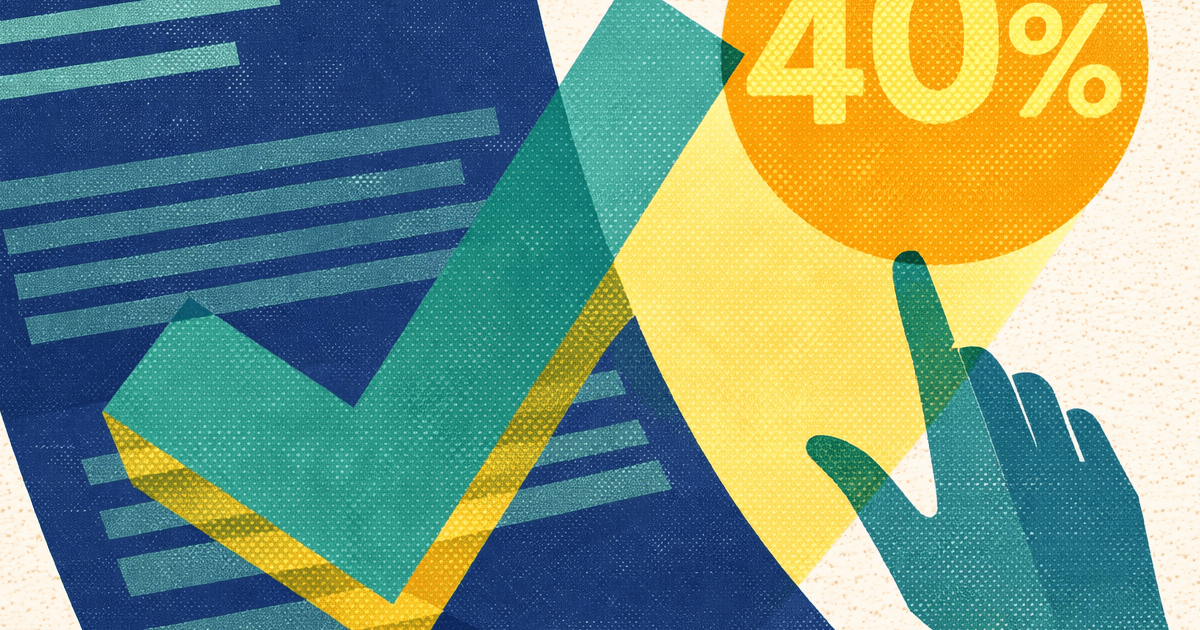
Sixtyfirst month persistency tracks what share of policies sold five years ago are still active. LIC’s dropped from 63.1 to 59.3 percent in a single year, on a premium basis. Four of every ten policies issued in FY2020-21 are no longer in force. The policy holders simply stopped paying.
Of four listed private insurers that reported FY26 numbers, three saw the same ratio fall. SBI Life: 63.6 to 58.1 percent, down five-and-a-half percentage points. ICICI Prudential: 64.1 to 61.6. Canara HSBC Life: 57.1 to 55.4. HDFC Life was the only one to improve: 63 to 64 percent. Across the five, between 36 and 45 percent of policies sold five years ago have lapsed.
I bought one, years ago, from a neighbour, who sold it to me as an investment product rather than insurance. Despite a late realization that I could have done better, I persisted to maturity, falling prey to the sunk cost fallacy. But many buyers drop off by year five.
When four in ten customers walk away within five years, the growth story needs a footnote. New premium keeps coming in — credit life from the lending boom, group policies from corporate mandates. But for every ten policies the industry writes, it loses four before they complete half a decade. Growth measures how many customers the industry acquires. Persistency measures how many it keeps. You do the math.
What explains the exit? Probably not one thing.
At LIC, 86 percent of new business is endowments and savings plans ‘sold’ through agents. Nobody went looking for this product; it was brought to their door like it was for me. A year later the premium feels hard to justify. Returns aren’t visible, the insurance cover was never really the point and endowments can be surrendered after three years. Nothing stops a walk-away. By year five, 40 percent do.
At private insurers, ULIPs are one factor among several. A ULIP locks you in for five years; you can’t surrender before that. The day the lock-in lifts the penalty drops to zero. If markets disappointed or you were told this was basically an FD with equity upside, month 61 is your first clean exit. ULIPs make up 60 percent of SBI Life’s new business, 48 percent of ICICI Prudential’s, 51 percent at Canara HSBC. The more ULIPs in the mix, the steeper the five-year drop. HDFC Life, with the lowest share at 44 percent, shows improved persistency.
One number stayed with me. ICICI Prudential’s 13th month persistency dropped from 89.1 to 84.5 percent in FY26. These are FY25 policies, not the COVID year. No five-year lock-in involved. When one in six customers walks away after paying a premium for a year, the question isn’t about exit windows. It’s about what they thought they were buying.
Premium fatigue, poor product fit, a COVID-era buying surge … each probably played a part. And it is not a uniquely Indian problem. In the US, variable universal life policies, the closest equivalent to a ULIP, see annual lapse rates of 15 to 18 percent. The five-year cumulative figure lands in the same range. When insurance doubles as an investment product, the exit rate at year five looks similar across markets.
Disclaimer: This article is for informational purposes only and does not constitute insurance advice. Consult an IRDAI-registered insurance advisor for recommendations tailored to your specific financial situation and needs.
Was this article helpful?
Your feedback helps us improve our guides

Reviewed and Edited by
Ashok HegdeAshok Hegde is the Chief Executive Officer at Quantent, where he leads a team of media professionals helping clients leverage digital media for better business outcomes. With over 30 years of experience across print and digital media, he advises clients on content and media strategy — from startups to established brands. His focus is on helping organisations use online media — social, search, and mobile — to build brand awareness, drive sales, and protect reputation.

IRDAI’s Public Insurance Registry could show all your policies in one place and score you using credit data. What the consultation paper actually says, question by question.

In Q1 FY27, private life insurers grew first-year premium 27.5% against LIC’s 10.3%, and LIC’s share slipped to 60.1% from 63.5%. Updated 12 October 2026 with H1 data: in Q2, LIC grew faster and took back share.
Life insurers collected Rs 30,550 crore in first-year premium in April 2026, up 39%. Group single premium was 62% of it, but most of that was LIC’s group fund business, which carries almost no life cover. Corrected 12 October 2026.