
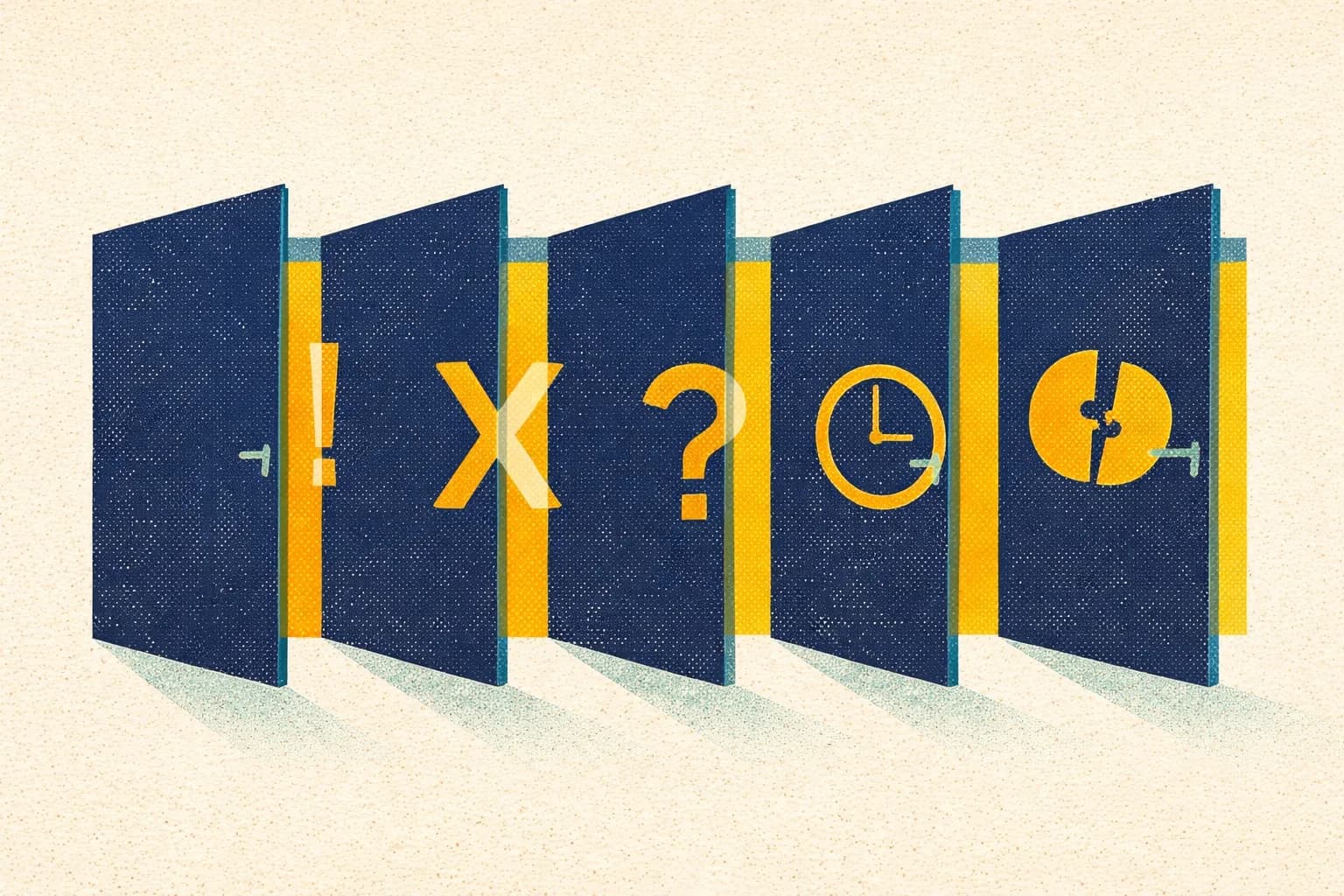
Cheat Sheet
•
Non-recognised hospitals can void your claim even when treatment is genuine. Always check NABH accreditation before admission.
•
Disease misclassification by insurers can trigger exclusions you didn’t expect. Understand your policy’s exclusion list.
•
Lapsed policies from missed premiums kill claims silently. Always confirm ECS/auto-debit payments are credited.
•
Document errors like wrong hospital names or outdated nominee details can delay or nullify claims. Keep paperwork current.
•
Undisclosed medical history is the top rejection reason. Even conditions unrelated to the cause of death can void the policy.
In FY 2024-25, insurers rejected 17,333 individual death claims worth a combined ₹976 crore. Many of those families had no idea their claim was at risk. Here are five rejection scenarios that catch policyholders off guard.
₹
976 crore
Total value of repudiated individual death claims across all life insurers in FY 2024-25. That is 17,333 families told no.
IRDAI DATASource: IRDAI Annual Report 2024-25
Why Claims Get Rejected
Every claim must satisfy conditions set out in the policy. These include timely premium payment, accurate medical disclosure, valid documentation, and treatment within recognised facilities. Rejections often occur not because the insurer doubts your need but because of technicalities or exclusions you overlooked.
Life insurance individual death claims: industry-wide repudiation trend
| Year ⇅ | Claims intimated ⇅ | Claims repudiated ⇅ | Repudiated amount (₹ crore) ⇅ | CSR by count (%) ⇅ |
|---|---|---|---|---|
| FY 2019-20 | 8,73,832 | 11,189 | 575.49 | 98.70 |
| FY 2020-21 | 10,95,113 | 12,559 | 924.70 | 98.85 |
| FY 2021-22 | 16,05,869 | 16,509 | 1,291.58 | 98.97 |
| FY 2022-23 | 10,74,546 | 15,173 | 1,049.59 | 98.59 |
| FY 2023-24 | 9,99,262 | 16,408 | 893.18 | 98.36 |
Source: IRDAI Annual Reports, 2019-20 through 2024-25
Hospital Not Recognised
A Surat resident’s ₹45,272 bill for AYUSH treatment was rejected because the hospital wasn’t recognised under government rules. Many health policies only cover treatments in NABH-accredited or government-approved centres. Choosing the wrong hospital can wipe out your claim even when treatment is genuine.
Disease Classified Under Exclusions
Exclusions can surprise you. In one case, a patient admitted for chest discomfort was denied reimbursement because the insurer categorised it as congenital heart disease, an excluded condition, despite the treating doctor’s certificate. Such misclassification highlights the importance of understanding what your policy excludes.
Policy Lapse from Missed Premium
Even when you think you’ve paid, lapses can occur. A death claim was repudiated after the insurer argued that a premium wasn’t debited under ECS, despite sufficient balance. The family assumed the policy was active, but technically it had lapsed. Always confirm payments are credited.
Watch Out
A policy that looks active in your bank records may technically be lapsed if the ECS debit failed to credit on the insurer’s end. Log in to your insurer’s portal each month to confirm receipt — not just your bank statement.
Errors in nominee or Documentation
Small mistakes can be costly. A wrong hospital name in a form or outdated nominee details may delay or nullify claims. IRDAI’s complaint records show several rejections were triggered by mismatched documents. Keeping nominee details and paperwork updated is a simple but vital step.
Non-Disclosure of Medical History
Failure to disclose conditions like diabetes or hypertension is a major reason for rejection. In one HDFC Life case, a death claim was denied because the insured had not revealed existing kidney and blood pressure issues. Even if unrelated to the cause of death, nondisclosure can void the policy.
Source: IRDAI Handbook 2024-25, Table — Individual Death Claims (Industry); consumer court case data from public judicial records
Did You Know
A pre-existing condition doesn’t need to be linked to the cause of death to void a policy — if it was a material fact at the time of application and wasn’t declared, that omission alone is enough grounds for rejection.
A Quick Example
Mrs Mehta believed her AYUSH treatment bills would be covered. But because her local hospital lacked government recognition, her claim was rejected outright.
Mr Kumar, meanwhile, lost a death claim for his father after notifying the insurer late, confusing discharge date with date of death. Both cases underline how easily honest mistakes can cost lakhs.
Value of repudiated individual death claims: FY 2019-20 to FY 2024-25 (₹ crore)
2019-20
575
2020-21
925
2021-22
1,292
2022-23
1,050
2023-24
893
2024-25
976
Source: IRDAI Annual Reports, 2019-20 through 2024-25
Quick Tip
Most policies require intimation within 24–48 hours of hospitalisation for health claims and within days for death claims. Notify your insurer before paperwork and grief pull your attention elsewhere.
FAQ
How soon must I intimate a health claim?
Most policies require intimation within 24–48 hours of hospitalisation, or within 15–30 days for reimbursement claims.
Can insurers reject claims for undisclosed illnesses even if unrelated?
Yes. If the illness is a material fact, nondisclosure gives insurers grounds to reject.
Why should I update nominee details?
Outdated or incorrect nominees can cause delays or even derail claim settlement.
What if my claim is wrongly rejected?
You can escalate to the insurer’s grievance cell, then approach IRDAI, or file a case in consumer court. Many rejections have been overturned this way.

Keep the Policy Valid, Not Just Active
Insurance is a promise, but only if conditions are respected. Reading policy fine print, updating records, ensuring timely premium payments, and checking hospital recognition are basic safeguards. Most rejections are avoidable with awareness and diligence. Buying the policy is step one; keeping it valid is where most families slip up.
Related Reading
Try our free tools
Disclaimer: This article is for informational purposes only and does not constitute insurance advice. Consult an IRDAI-registered insurance advisor for recommendations tailored to your specific financial situation and needs.
Was this article helpful?
Your feedback helps us improve our guides

Reviewed and Edited by
Hardik LashkariHardik Lashkari is a Chartered Accountant and finance content specialist with over six years of experience writing for fintech and financial services brands. He specialises in translating complex financial topics into clear, credible content — from insurance and taxation to investing and personal finance. At Gyansurance, Hardik covers the how-to side of term insurance: buying guides, policy maintenance, digital underwriting, and the fine print buyers often miss.