
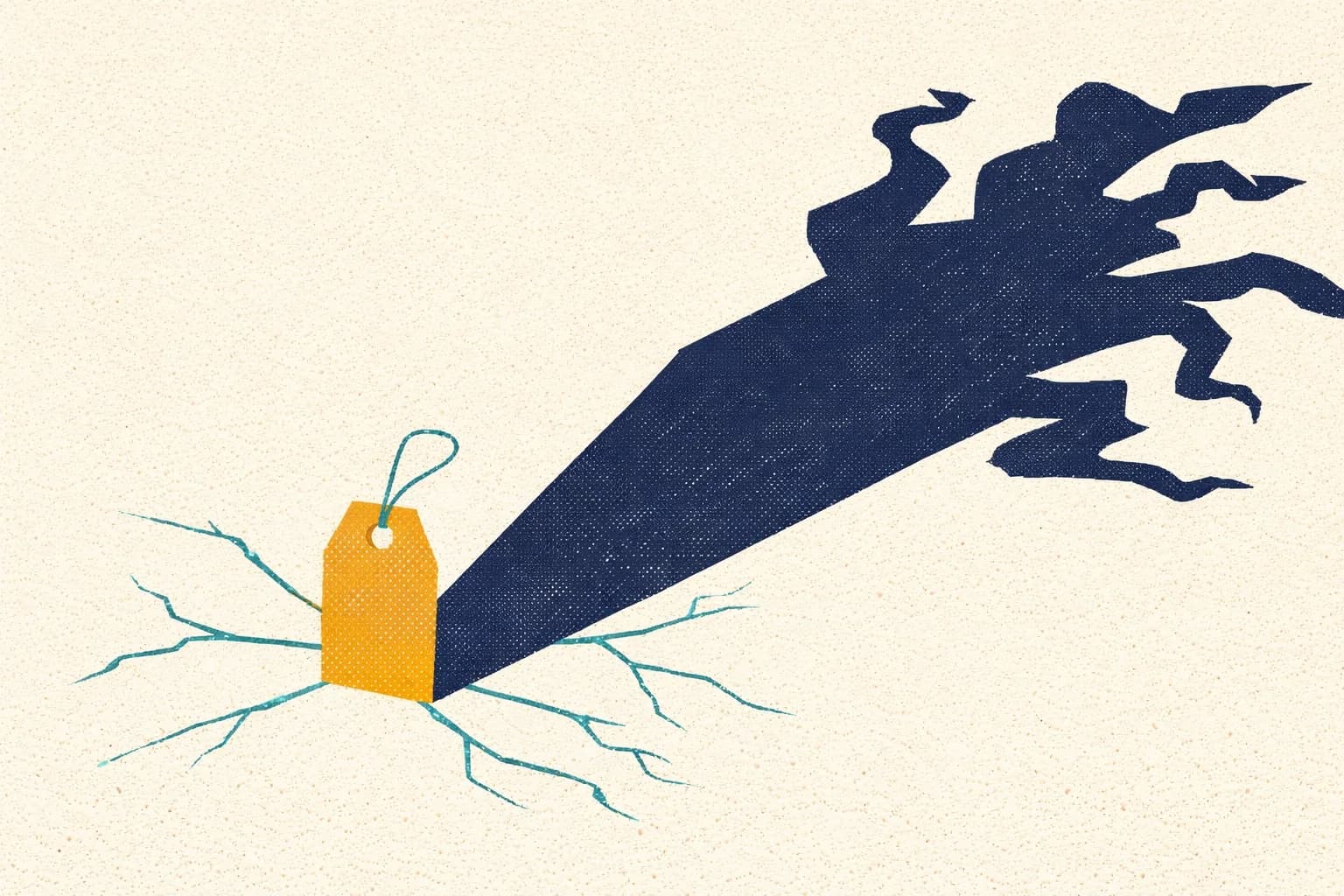
Cheap insurance premiums sound great on paper. They promise immediate savings and financial relief. However, these seemingly attractive policies often come with hidden pitfalls that can jeopardize your financial security over time.
TL;DR
- Limited Coverage: Cheap premiums often mean minimal coverage, leaving you exposed to significant financial risks.
- Hidden Costs: Low initial premiums can be offset by high deductibles, exclusions, or additional fees.
- Questionable Insurers: Some low-cost providers may lack the financial stability to honor claims.
- False Sense of Security: Opting for the cheapest option can lead to inadequate protection when you need it most.
The Hidden Dangers of Dirt-Cheap Premiums
Value of repudiated individual death claims across all life insurers (₹ crore)
FY 2019-20
575.49
FY 2020-21
924.70
FY 2021-22
1,291.58
FY 2022-23
1,049.59
FY 2023-24
893.18
FY 2024-25
976.45
Source: IRDAI Annual Reports & Handbook of Statistics, 2019-20 to 2024-25
1. Minimal Coverage, Maximum Risk
Opting for the lowest premium often means compromising on coverage. For instance, while your policy may meet the legal minimum requirements, it might not cover important features like comprehensive damage or third-party liabilities. This can lead to substantial out-of-pocket expenses during a claim.
Watch Out
A policy that only clears the legal minimum leaves third-party liabilities and major damage uncovered — the exact situations where you’d need insurance most.
₹
Claims repudiated across the life insurance industry — money families expected but never received
2024-25
17,333
Individual death claims rejected by life insurers in a single year
2024-25
₹
Total death claims paid by life insurers — when the policy and insurer are sound, the system works
2024-25
1.81–3.78
Solvency ratio range across major life insurers (IRDAI minimum: 1.50) — financial stability varies widely between companies
September 2024
2. High Deductibles and Exclusions
To keep premiums low, insurers may impose high deductibles or numerous exclusions. This means that during a claim, you might have to pay a significant amount out of pocket before the insurance kicks in, or certain situations might not be covered at all.
3. Financial Stability of the Insurer
Some low-cost insurance providers may not have the financial strength to pay out claims. This is particularly concerning during widespread claims, such as after a natural disaster, where the insurer might face liquidity issues. It’s worth checking the financial health of an insurer before purchasing a policy.
In 2024-25, life insurers repudiated
₹976 crore
in individual death claims across 17,333 policies. That’s money families counted on but never received — often because of policy exclusions or non-disclosure that buyers didn’t fully understand at purchase.
Source: IRDAI Handbook 2024-25, Table 14
Key Fact
IRDAI requires every registered life insurer to maintain a minimum solvency ratio. You can verify any insurer’s current solvency ratio directly on irdai.gov.in before buying.
4. False Sense of Security
Choosing the cheapest option can lead to a false sense of security. While you might save money upfront, the lack of comprehensive coverage can leave you vulnerable to significant financial losses, especially in unforeseen circumstances.
Real-Life Example: The Perils of Underinsurance
Consider the case of a small business owner who opted for a low-cost insurance policy to cover their property. When a fire broke out, the policy’s minimal coverage and high deductible meant that the owner had to cover most of the repair costs out of pocket.
“Don’t just look at premiums. Evaluate the claim settlement ratio, brand legacy and longevity, and trustworthiness. I prioritize insurers with strong operational credibility over aggressive marketing presence.”
— Parul Shah, Professor of Finance, Mumbai
FAQs
Are low-cost insurance policies ever a good idea?
While they can be suitable for basic coverage needs, it’s essential to thoroughly review the policy terms to ensure adequate protection.
How can I assess the reliability of an insurer?
Check the insurer’s financial ratings from agencies like ICRA or CRISIL and read customer reviews to gauge their reliability.
Can I upgrade my policy after purchasing it?
Some insurers offer policy upgrades or add-ons; however, it’s best to discuss your needs with the insurer before purchasing.
The premium is the least important number on your policy
A low premium means nothing if the claim never gets paid. Before choosing the cheapest option, check the insurer’s claim settlement ratio by amount (not just by count), solvency ratio, and the exclusion list in the policy document. A policy that costs ₹500 more per month but comes from a financially stable insurer with clean settlement data is worth more than a bargain that leaves your family fighting a rejected claim.
Related Reading
Try our free tools
Disclaimer: This article is for informational purposes only and does not constitute insurance advice. Consult an IRDAI-registered insurance advisor for recommendations tailored to your specific financial situation and needs.
Was this article helpful?
Your feedback helps us improve our guides

Reviewed and Edited by
Girish KumarGirish Kumar is a YouTube Manager at Quantent, focused on building digital growth through thoughtful strategy, strong client collaboration, and content that performs. He works across marketing, design, and digital systems to turn complex business needs into clear, actionable solutions. At Quantent, Girish partners closely with brands to streamline service delivery, improve conversions, and create long term value balancing creativity with structure, and always prioritizing quality over quantity.