
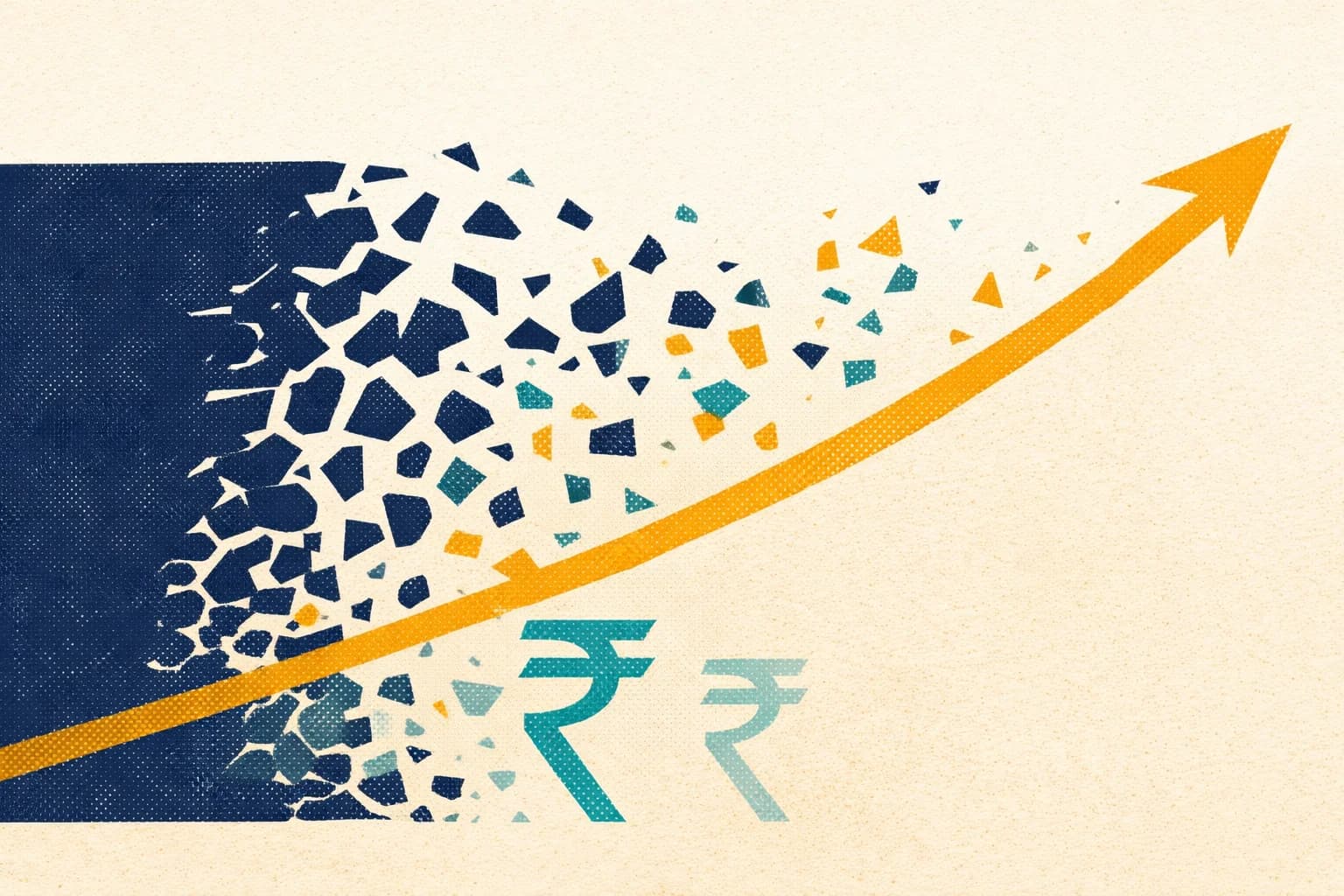
Imagine purchasing a health insurance policy with a sum insured of ₹10 lakh, believing it will cover all your medical expenses. However, over time, as medical costs rise due to inflation, that ₹10 lakh may no longer suffice. That gap between what your policy covers on paper and what treatments actually cost grows every year you do not review it.
Watch Out
Your sum insured stays fixed on paper while medical costs keep rising — the gap between what your policy covers and what treatments actually cost widens every year you don’t review it.
TL;DR
- Inflation’s Impact: Inflation decreases the purchasing power of your insurance coverage over time.
- Medical Inflation: Medical costs in India have been rising at approximately 14% annually, significantly outpacing general inflation rates.
- Underinsurance Risk: Without adjustments, your policy may not cover future medical expenses adequately.
- What to do about it: Opt for policies with built-in inflation protection or regularly review and increase your coverage.
Understanding Inflation’s Effect on Insurance Coverage
1. Decreased Purchasing Power
Inflation erodes the value of money, meaning the same amount of coverage will cover less over time. For instance, ₹10 lakh today may not be sufficient to cover the same medical expenses in the future due to rising costs. Long-term policies like health and life insurance are hit hardest because the gap compounds over decades.
Total individual life insurance death claims paid by the industry (₹ crore)
FY 2013-14
₹10,861
FY 2016-17
₹13,858
FY 2019-20
₹18,042
FY 2022-23
₹28,616
FY 2024-25
₹33,697
Source: IRDAI Annual Reports, FY 2013-14 through FY 2024-25
2. Medical Inflation Outpacing General Inflation
Medical inflation in India has been significantly higher than general inflation rates. For example, healthcare costs have been rising at an annual rate of 14%, compared to the general inflation rate of 1.55% as of July 2025. This disparity means that without adjustments, your insurance coverage may fall short of meeting future medical expenses.
Key Fact
India’s healthcare costs are rising at 14% annually, against a general inflation rate of 1.55% — your sum insured needs to grow faster than general inflation just to maintain its real value.
3. Increased Premiums Due to Rising Costs
As healthcare costs rise, insurance companies may increase premiums to maintain profitability. This can lead to higher out-of-pocket expenses for policyholders, potentially making insurance less affordable and leading to reduced coverage or even policy lapses.
4. Underinsurance Risk
Without periodic reviews and adjustments, there’s a risk of underinsurance. This occurs when the sum insured is insufficient to cover the increased costs of medical treatments, leading to financial strain during claims.
17.2%
Life insurance’s share of Indian household financial assets in 2023-24, down from a peak of 26.2% in 2009-10. Households are putting a smaller slice of their savings toward life cover even as the cost of adequate protection keeps rising.
RBI DATASource: RBI Handbook of Statistics on Indian Economy, Table on Household Financial Savings
Watch Out
Underinsurance doesn’t announce itself at renewal — it shows up when you’re in a hospital and your sum insured runs out before the bills do.
Real-Life Example: The Consequences of Inadequate Coverage
Consider the case of Mr. Sharma, who purchased a health insurance policy with a sum insured of ₹15 lakh in 2010. By 2025, due to medical inflation, the cost of treatments and hospital stays had risen significantly. When Mr. Sharma required surgery, his ₹15 lakh coverage was insufficient to cover the expenses, leading to financial hardship.
FAQs
How often should I review my insurance coverage?
It’s Review your insurance coverage annually, or whenever your income, health, or family situation changes materially.
Are there policies that adjust for inflation?
Yes, some insurance policies offer built-in inflation protection or allow for automatic increases in coverage to keep pace with inflation.
What are the consequences of underinsurance?
Underinsurance can lead to insufficient coverage during claims, resulting in out-of-pocket expenses and financial strain.
“Inflation is real and dangerous. A cover that looks adequate today will be laughably insufficient in fifteen years. I advise clients to buy adequate coverage today and review it every three to five years. Increasing cover as income grows is not optional; it is necessary for the protection to remain meaningful.”
— Jahnvi Gupta, IC-38 Insurance Advisor, Mumbai
Inflation is the silent risk your policy ignores
Your sum insured does not grow on its own. If you bought a ₹1 crore policy five years ago and have not increased it since, you are already underinsured in real terms. Review your cover amount every 3-5 years, consider policies with inflation-adjustment riders, and treat the premium as a recurring cost that needs to rise with your income.
“A more scientific way is to account for the inflation rate in stages across different life phases. From age 25 to 35, there should be a specific inflation rate; from 35 to 45, a different rate; and towards the last few working years, the inflation rate factor could be very low because you also optimise your lifestyle. You can aggregate these stages or substitute them with a single blended number, which is the assumption most people use. Typically, the initial inflation rate could be set around 10%, then drop to 7%, and eventually down to 3-4% in the later stages.”
— Kaustubh Agashe, CFA, SEBI Registered Investment Advisor
Related Reading
Try our free tools
Disclaimer: This article is for informational purposes only and does not constitute insurance advice. Consult an IRDAI-registered insurance advisor for recommendations tailored to your specific financial situation and needs.
Was this article helpful?
Your feedback helps us improve our guides
Expert contributors

Reviewed and Edited by
Andy ShatanandaAndy Shatananda is a Senior Account Director with over 13 years of experience in building brands through strategy, strong client partnerships, and outcome driven marketing. He specializes in translating complex business goals into clear, scalable digital solutions. At Quantent, he leads with a balance of commercial thinking and creative rigour, helping brands grow with clarity, consistency, and purpose.